
Egypt Travel Tips
Egypt is one of the world’s most captivating travel destinations, offering a perfect blend of ancient history, breathtaking landscapes, vibrant cities, and warm hospitality. From the legendary Pyramids of Giza to the crystal-clear waters of the Red Sea, every corner of Egypt tells a unique story. Whether you’re a history enthusiast, an adventure seeker, or someone looking to relax on pristine beaches, Egypt has something unforgettable to offer.
However, traveling to a country with such a rich culture and diverse attractions requires proper planning. Understanding local customs, transportation, weather conditions, safety recommendations, and budgeting can significantly improve your experience. This comprehensive guide covers the most important Egypt travel tips to help you enjoy a smooth, safe, and memorable journey.
Plan Your Trip Before You Arrive
Proper planning is the foundation of a successful vacation. Before booking your flight, determine the purpose of your trip and the destinations you want to visit. Egypt offers a wide variety of experiences, from historical monuments and museums to diving spots and luxury resorts.
Research the cities you intend to visit and estimate how many days you’ll need in each location. Popular itineraries often include Cairo, Luxor, Aswan, Alexandria, Hurghada, or Sharm El Sheikh.
Booking accommodations and major tours in advance can save both time and money, especially during peak travel seasons. It’s also recommended to check passport validity, visa requirements, travel insurance, and airline baggage policies before departure.
Choose the Best Time to Visit Egypt
Egypt enjoys sunshine throughout the year, but the climate varies depending on the season.
The ideal time to visit is between October and April when temperatures are comfortable for sightseeing. During these months, travelers can comfortably explore archaeological sites, take Nile cruises, and enjoy outdoor activities.
Summer months from June through August can become extremely hot, especially in southern cities like Luxor and Aswan, where temperatures may exceed 40°C (104°F). If you travel during summer, schedule outdoor activities early in the morning or after sunset.
Beach destinations on the Red Sea remain enjoyable year-round due to the pleasant sea temperatures.
Respect Egyptian Culture and Traditions
Egyptians are known for their friendliness and hospitality, and showing respect for local customs creates a positive travel experience.
Although Egypt welcomes millions of international tourists each year, modest clothing is appreciated, especially when visiting mosques, churches, villages, and traditional neighborhoods.
Always ask permission before photographing local people, and avoid taking pictures of military facilities or government buildings.
Learning a few simple Arabic expressions such as “Hello,” “Thank you,” and “Please” can go a long way in creating friendly interactions with locals.
Respecting cultural traditions demonstrates appreciation for the country’s heritage and often leads to warmer hospitality.
Stay Safe During Your Journey
Egypt is one of the most visited countries in Africa and the Middle East, with millions of tourists arriving every year.
Like any travel destination, staying aware of your surroundings is important. Keep your valuables secure, avoid displaying expensive jewelry, and use hotel safes whenever possible.
When exploring crowded markets or tourist attractions, carry only what you need for the day.
Follow guidance from local authorities and licensed tour operators when visiting archaeological sites or taking desert excursions.
Solo travelers should inform someone about their daily plans, especially during long-distance trips.
Transportation Tips for Travelers
Egypt offers multiple transportation options suitable for every budget.
Domestic flights are the fastest way to travel between Cairo, Luxor, Aswan, Hurghada, and Sharm El Sheikh.
For shorter distances, trains provide a comfortable and affordable option, while buses connect most cities across the country.
Within cities, travelers can use taxis, ride-hailing services, or metro systems where available. Always agree on taxi fares beforehand if the vehicle does not use a meter.
Walking is enjoyable in many tourist areas, but comfortable shoes are essential due to uneven streets and historical sites.
What to Pack for Egypt
Packing appropriately can make your trip significantly more comfortable.
Essential items include:
- Lightweight breathable clothing
- Comfortable walking shoes
- Sunglasses
- Sunscreen
- Wide-brimmed hat
- Reusable water bottle
- Portable power bank
- Travel adapter
- Small backpack
- Personal medications
- Copies of important documents
If visiting religious sites, pack clothing that covers shoulders and knees.
For Red Sea vacations, don’t forget swimwear, snorkeling equipment if preferred, and waterproof phone protection.
Stay Hydrated and Eat Smart
Egypt’s warm climate makes hydration extremely important.
Drink plenty of bottled or filtered water throughout the day, especially while visiting outdoor attractions.
Egyptian cuisine is rich, flavorful, and diverse. Popular dishes include koshari, falafel, grilled meats, stuffed vegetables, fresh seafood, and traditional desserts.
Choose restaurants with good hygiene standards and freshly prepared food.
If you have a sensitive stomach, avoid drinking tap water and be cautious with uncooked foods from street vendors.
Trying local cuisine is one of the highlights of visiting Egypt, but moderation is always wise during the first few days.
Money, Payments, and Budgeting
Egypt is considered an affordable destination compared to many international tourist locations.
Cash remains useful in local markets, small shops, and rural areas, although many hotels, restaurants, and shopping centers accept international credit cards.
It’s advisable to carry small denominations for tips and everyday purchases.
ATMs are widely available in major cities and tourist destinations.
Planning a daily budget based on accommodation, transportation, meals, attractions, and shopping helps avoid unnecessary expenses.
Explore Beyond the Famous Attractions
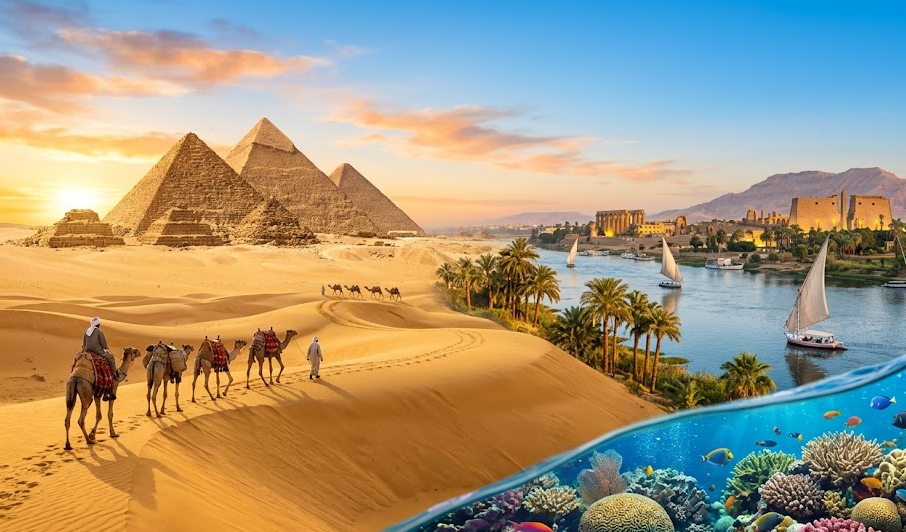
While the Pyramids of Giza and the Sphinx are must-see landmarks, Egypt offers countless hidden treasures.
Discover the temples of Luxor and Karnak, sail along the Nile River, visit the colorful Nubian villages, explore Alexandria’s Mediterranean coastline, or dive among the vibrant coral reefs of the Red Sea.
Nature lovers can experience desert safaris, mountain hiking in Sinai, or birdwatching in protected nature reserves.
Traveling beyond the most famous destinations provides a deeper understanding of Egypt’s incredible diversity.
Shopping Tips in Egypt
Egypt is famous for its bustling bazaars and traditional handicrafts.
Popular souvenirs include handmade carpets, papyrus art, perfumes, spices, silver jewelry, leather goods, alabaster statues, and locally crafted lanterns.
Bargaining is common in traditional markets and often expected. Negotiate politely while maintaining a friendly attitude.
Before purchasing expensive items, compare prices at several shops to ensure fair value.
Always keep receipts for valuable purchases if you plan to travel internationally with them.
Internet, SIM Cards, and Connectivity
Staying connected during your trip is easier than ever.
International travelers can purchase prepaid SIM cards at airports, shopping malls, or authorized mobile stores.
Most hotels, cafés, and restaurants provide Wi-Fi, although connection speeds may vary depending on the location.
Downloading offline maps before exploring remote areas can be extremely useful.
Keeping digital copies of your passport, travel insurance, and booking confirmations stored securely online provides additional peace of mind.
Responsible and Sustainable Tourism
Responsible tourism helps preserve Egypt’s extraordinary cultural and natural heritage.
Avoid touching ancient monuments, climbing restricted archaeological structures, or removing artifacts from historical sites.
Dispose of waste responsibly and support local businesses by purchasing authentic handmade products from local artisans.
Respect wildlife and marine ecosystems by avoiding contact with coral reefs or protected species during diving and snorkeling excursions.
Every responsible traveler contributes to preserving Egypt’s treasures for future generations.
Final Thoughts
Egypt is a destination unlike any other, combining thousands of years of history with modern hospitality, breathtaking landscapes, and unforgettable adventures. With proper preparation, respect for local customs, and smart travel planning, visitors can experience everything from ancient temples and majestic pyramids to luxurious beach resorts and vibrant cultural experiences.
Whether it’s your first visit or your fifth, Egypt always has something new waiting to be discovered. By following these travel tips, you’ll be well-prepared to enjoy a safe, enjoyable, and truly memorable journey through one of the world’s most fascinating countries.

Recent Posts

Top Egypt Tours
Egypt Travel Tips